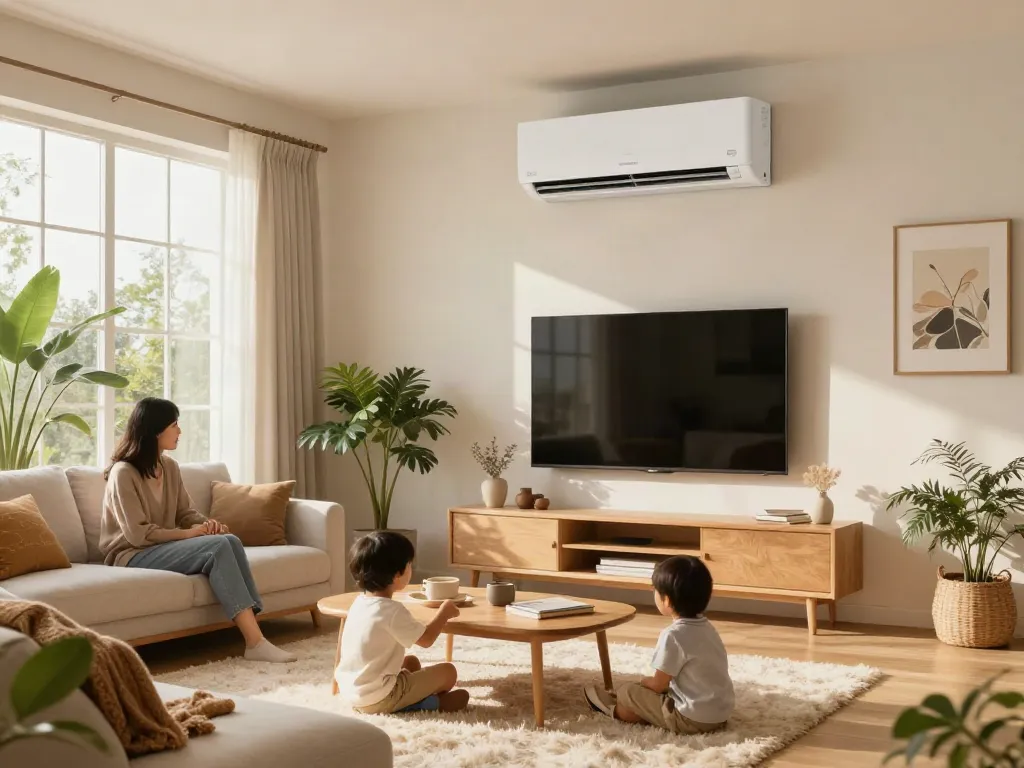
Understanding Ductless Air Conditioners
Ductless air conditioners have emerged as a popular choice for homeowners seeking efficient and flexible cooling solutions. These systems offer a multitude of advantages over traditional central air conditioning systems, making them an appealing option for various living spaces. Whether you're looking to cool a single room or an entire home, understanding what ductless air conditioners are and how they function is essential. When exploring options, ductless air conditioner provide comprehensive insights into features and benefits that suit your needs.
What is a Ductless Air Conditioner?
A ductless air conditioner, commonly known as a mini-split system, operates without the extensive ductwork required by conventional HVAC systems. Instead, these units consist of two primary components: an indoor air-handling unit and an outdoor compressor. The two units are connected by refrigerant lines and electrical wiring, allowing for efficient heating and cooling. This design not only maximizes energy efficiency but also provides greater flexibility in installation, making ductless systems ideal for various architectural layouts.
Key Components and How They Work
The core components of a ductless air conditioning system include:
- Indoor Unit: This wall-mounted unit disperses the conditioned air into the living space. Its sleek design enhances any room's aesthetic while delivering quiet and efficient cooling.
- Outdoor Unit: Usually placed near the foundation of the home, the outdoor unit houses the compressor and condenser. It is responsible for dissipating heat absorbed from indoors.
- Refrigerant Lines: These lines transport the refrigerant between the indoor and outdoor units, allowing for heat exchange. This process cools or heats the indoor air as needed.
By eliminating ductwork, these systems reduce energy losses, as conditioned air does not travel through potentially leaky ducts.
Benefits of Choosing Ductless Systems
Homeowners can benefit significantly from installing ductless air conditioners. Key advantages include:
- Energy Efficiency: Ductless systems often have higher SEER ratings compared to traditional units, translating to lower energy bills.
- Zone Control: Many systems allow for different temperature settings in individual rooms, providing personalized comfort and further saving on energy costs.
- Easy Installation: With no need for extensive ductwork, installation is less invasive and can often be done in a single day.
- Versatile Design: Available in various styles and sizes, ductless units can fit seamlessly into any room, including those with limited space.
Installation Guide for Ductless Air Conditioners
Installing a ductless air conditioner requires careful planning and execution to ensure optimal performance. By following a structured approach, you can maximize the benefits of your new system.
Preparing Your Space for Installation
Before installation, assess the areas you wish to cool or heat. Consider factors such as:
- Room Size: The size of the room will determine the capacity of the ductless system needed.
- Location: Choose locations for the indoor units that allow for effective air distribution.
- Power Sources: Ensure that electrical circuits can support the new system.
Finding a Qualified Installer
It is crucial to select an experienced professional for the installation of your ductless air conditioner. Look for:
- Licensing and Certifications: Verify that they are licensed to work in your area and have relevant certifications.
- Experience: Choose an installer who specializes in ductless systems to ensure they understand the specific requirements.
- References: Ask for recommendations and check customer reviews to gauge reliability and quality.
Common Installation Pitfalls to Avoid
While installing ductless air conditioners is generally straightforward, certain challenges can arise. Avoid these pitfalls:
- Improper Sizing: An incorrectly sized unit can lead to inefficient operation and increased energy costs.
- Inadequate Drainage: Ensure proper drainage for condensation to avoid moisture issues.
- Neglecting Local Codes: Familiarize yourself with local building codes and regulations to ensure compliance.
Comparing Ductless Air Conditioners to Traditional Systems
To make an informed decision, it's essential to compare ductless air conditioners with traditional HVAC systems.
Energy Efficiency and Cost-Effectiveness
Ductless systems typically offer improved energy efficiency compared to central AC systems. Their ability to deliver targeted cooling reduces energy consumption, often resulting in cost savings that can offset the initial investment over time. Furthermore, many ductless systems qualify for energy rebates, making them even more financially attractive.
Space and Design Considerations
Unlike traditional systems that require bulky ductwork, ductless units occupy minimal space and are designed to seamlessly blend into various interior styles. This versatility enables homeowners to maintain aesthetic appeal while ensuring comfort.
Noise Levels and Aesthetic Appeal
Most ductless air conditioners operate quietly, allowing for a peaceful home environment. Additionally, their modern designs can enhance a room's décor, unlike traditional systems that may detract from the overall look.
Maintenance Tips for Ductless Air Conditioners
Regular maintenance is vital for the longevity and efficiency of ductless air conditioners. Here are some best practices:
Regular Cleaning and Upkeep
Keep the indoor units clean by regularly dusting the filters and checking for obstructions. It is recommended to clean or replace filters every month during peak usage to maintain optimal air flow.
Signs Your System Needs Service
Be attentive to signs indicating that your ductless air conditioner may need professional service, such as:
- Unusual noises
- Inconsistent temperatures
- Increased energy bills
Maximizing Performance and Lifespan
To extend the lifespan of your ductless air conditioning system, consider scheduling annual professional inspections and cleanings. Keeping refrigerant lines and outdoor units clear of debris will also help maintain efficiency and performance.
Future Trends in Ductless Air Conditioning
The ductless air conditioning industry is evolving, incorporating new technologies and approaches to enhance comfort and sustainability.
Innovations in Technology and Efficiency
New advancements in inverter technology continue to improve the energy efficiency of ductless systems. These innovations allow units to adjust their power output based on the room's cooling or heating demands, reducing energy consumption significantly.
Sustainability and Eco-Friendliness in 2026
As environmental concerns grow, manufacturers are increasingly focusing on eco-friendly refrigerants and systems. In 2026, expect a wider range of ductless systems that meet stringent environmental standards while delivering optimal performance.
What to Expect in the Coming Years
With continuous improvements in technology and efficiency, ductless air conditioning is poised to become the go-to solution for residential and commercial cooling needs. This trend is likely to be spurred by rising consumer awareness of energy efficiency and environmentally friendly options.
Are Ductless Air Conditioners Effective?
Absolutely, ductless air conditioners are highly effective in both heating and cooling applications. Their targeted approach allows for customizable comfort in various spaces, making them ideal for modern living.
How Much Does it Cost to Install a Ductless AC Unit?
The installation cost of ductless air conditioners can vary widely based on factors such as the unit’s capacity, brand, installation complexity, and regional labor costs. On average, homeowners can expect to pay between $3,000 to $5,000 for a complete installation, including units and labor.
What are the Downsides of a Mini Split AC System?
While ductless systems offer numerous benefits, they also have some downsides, including:
- Higher upfront costs compared to traditional systems
- Potential aesthetic concerns with indoor units
- Regular maintenance is crucial to ensure efficiency
Is it Cheaper to Run a Mini Split or Central AC?
In general, mini-split systems tend to be cheaper to run due to their energy efficiency and zoning capabilities. Central AC systems often experience energy losses through ductwork, which can lead to higher operational costs.