Understanding Orthopedic Supplies and Their Importance
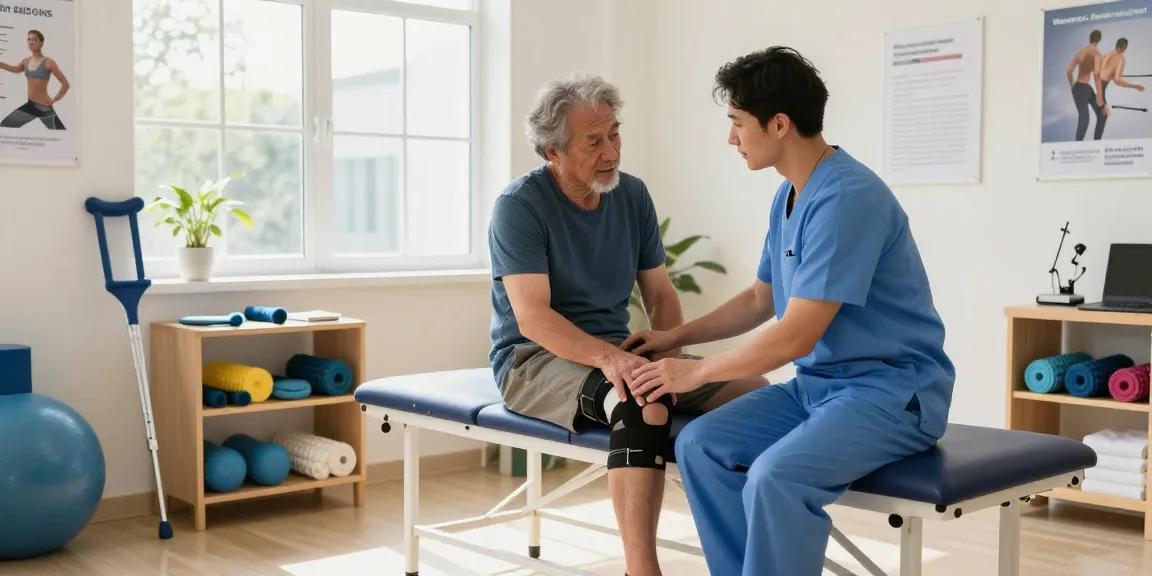
Orthopedic supplies are specialized products designed to support, stabilize, or rehabilitate injuries related to the musculoskeletal system. These supplies play a critical role in the recovery process for individuals dealing with trauma, chronic conditions, or post-surgical rehabilitation. They encompass a wide range of products, from braces and supports to mobility aids and rehabilitation tools. When exploring options, orthopedic supplies can provide comprehensive insights into how these products can enhance recovery and improve quality of life.
What Are Orthopedic Supplies?
Orthopedic supplies include a variety of medical devices and products that assist in the treatment of orthopedic conditions. These items can be used for support, alignment, and function restoration of bones, joints, and muscles. Common examples include braces for stabilizing joints, splints for immobilizing injuries, and supports that provide comfort during movement. The proper use of these supplies is essential in managing pain, rehabilitating injuries, and enhancing mobility.
The Role of Orthopedic Supplies in Recovery
Orthopedic supplies are instrumental in the rehabilitation process, serving multiple roles that promote healing and recovery. Whether recovering from surgery, an athletic injury, or a chronic condition, these products can significantly impact outcomes. For instance, braces can provide necessary stability, while mobility aids can facilitate movement and independence. They also play a preventive role, reducing the risk of further injury during recovery.
Key Benefits of Using Quality Orthopedic Products
Investing in quality orthopedic supplies can yield numerous benefits:
- Enhanced Comfort: Well-designed products provide comfort during use, thus encouraging more consistent wear.
- Increased Stability: Quality supplies can significantly improve joint stability, aiding in the prevention of further injuries.
- Improved Recovery Time: Properly utilized orthopedic products can lead to faster recovery times by supporting healing processes.
- Custom Solutions: Many products can be tailored to the individual’s needs, providing a personalized approach to rehabilitation.
Types of Orthopedic Supplies Available
Braces and Supports: Types and Uses
Braces and supports are among the most common orthopedic supplies available. They come in various forms, designed for different parts of the body and specific conditions. Some common types include:
- Knee Braces: Used for conditions like ACL tears or osteoarthritis, providing support and stability.
- Ankle Supports: Ideal for sprains or chronic ankle instability, helping to maintain proper alignment and prevent further injury.
- Back Braces: Often recommended for lower back pain or post-surgical recovery, offering lumbar support and pain relief.
Mobility Aids: Crutches, Walkers, and More
Mobility aids are designed to assist individuals in moving safely and confidently. These supplies are crucial for those recovering from injuries or surgeries. They include:
- Crutches: Ideal for weight-bearing support after lower limb injuries, allowing users to navigate their environment safely.
- Walkers: Provide stability for patients who may be unsteady on their feet, often used in rehabilitation settings.
- Canes: Helpful for those needing minimal support, they enhance balance and reduce strain on the lower body.
Rehabilitation Tools: Foam Rollers and Exercise Bands
Rehabilitation tools are essential for enhancing strength, flexibility, and proper movement patterns. Popular options include:
- Foam Rollers: Used for myofascial release, helping alleviate muscle tightness and improve circulation.
- Exercise Bands: Versatile tools for strength training and injury rehabilitation, allowing for a range of motion exercises.
- Balance Boards: Effective for improving proprioception and stability, crucial during recovery from lower limb injuries.
Choosing the Right Orthopedic Supplies for Your Needs
Assessing Your Condition and Requirements
When selecting orthopedic supplies, it’s vital to evaluate your specific condition and requirements. Factors to consider include the type of injury, the stage of recovery, and personal comfort preferences. Consulting with healthcare professionals can provide valuable insights into which products may be most effective for your recovery.
Professional Guidance: When to Seek Help
Always seek professional guidance when choosing orthopedic supplies, especially if you are recovering from surgery or dealing with a complex condition. Physical therapists, orthopedic surgeons, and rehabilitation specialists can recommend appropriate products tailored to your individual needs, enhancing effectiveness and safety.
Common Mistakes to Avoid When Selecting Supplies
Several common mistakes can hinder recovery when selecting orthopedic supplies, including:
- Choosing the Wrong Size: Proper fit is crucial; poorly fitting supplies can lead to discomfort and ineffective support.
- Ignoring Professional Advice: Neglecting to consult a professional can result in selecting inappropriate products.
- Over-Reliance: While these supplies are beneficial, they should complement a comprehensive rehabilitation approach, not replace it.
Best Practices for Using Orthopedic Supplies Effectively
Proper Fitting and Adjustment Techniques
To maximize the benefits of orthopedic supplies, ensure they are fitted correctly and adjusted as needed. Many products come with specific instructions for fitting, and following these guidelines is essential for proper support. Regularly reassessing the fit as your recovery progresses is also important.
Integrating Supplies into Your Rehabilitation Plan
Orthopedic supplies should be integrated into a broader rehabilitation plan that includes physical therapy and home exercises. This holistic approach can enhance recovery and ensure that you are progressing towards your rehabilitation goals effectively.
Maintenance and Care Tips for Longevity
To extend the life of your orthopedic supplies, proper maintenance is essential. This includes:
- Cleaning: Regularly clean equipment according to the manufacturer's instructions to prevent wear and build-up of bacteria.
- Storage: Store supplies in a safe, dry place to avoid damage.
- Regular Checks: Periodically assess the condition of your supplies, looking for signs of wear or damage that may warrant replacement.
Future Trends in Orthopedic Supplies for 2026 and Beyond
Innovations on the Horizon: Smart Technologies
The future of orthopedic supplies is likely to be heavily influenced by advancements in technology. Smart orthopedic devices that monitor movement and provide real-time feedback are expected to become more prevalent. These technologies can offer personalized insights based on the user's activity and recovery patterns.
The Growing Role of Telehealth in Orthopedic Care
With the rise of telehealth, providing consultations and follow-up care remotely is becoming more common. This trend allows patients to receive expert guidance on the use of orthopedic supplies without needing to visit a clinic, making care more accessible to a broader audience.
Patient-Centered Approaches to Orthopedic Solutions
In the coming years, there will be an increased focus on patient-centered approaches in orthopedic care. This entails involving patients in decision-making processes regarding their treatment and the selection of supplies, ensuring that their personal preferences and lifestyles are considered in their care plans.
What Are Orthopedic Supplies Used For?
Orthopedic supplies are primarily used for support and rehabilitation related to musculoskeletal disorders. They are beneficial for various conditions, including fractures, sprains, arthritis, and post-surgical recovery. These supplies help in stabilizing the affected area, alleviating pain, and promoting healing.
How Do I Choose the Right Orthopedic Support?
Choosing the right orthopedic support involves assessing the specific injury or condition, considering professional recommendations, and ensuring proper fit. It's vital to understand the unique requirements of your situation, as different supports serve different purposes.
Can I Rely on Online Stores for Orthopedic Equipment?
While online stores offer convenience and a wide selection of orthopedic supplies, it's essential to ensure that the products are from reputable brands. Reading reviews, checking return policies, and consulting healthcare professionals before purchasing are recommended to ensure you receive quality products.
What Are the Latest Innovations in Orthopedic Supplies?
Recent innovations in orthopedic supplies include the incorporation of smart technology in braces and supports that track usage and provide feedback. Additionally, 3D printing technology is being used to create customized orthopedic devices tailored to individual needs, enhancing both functionality and comfort.